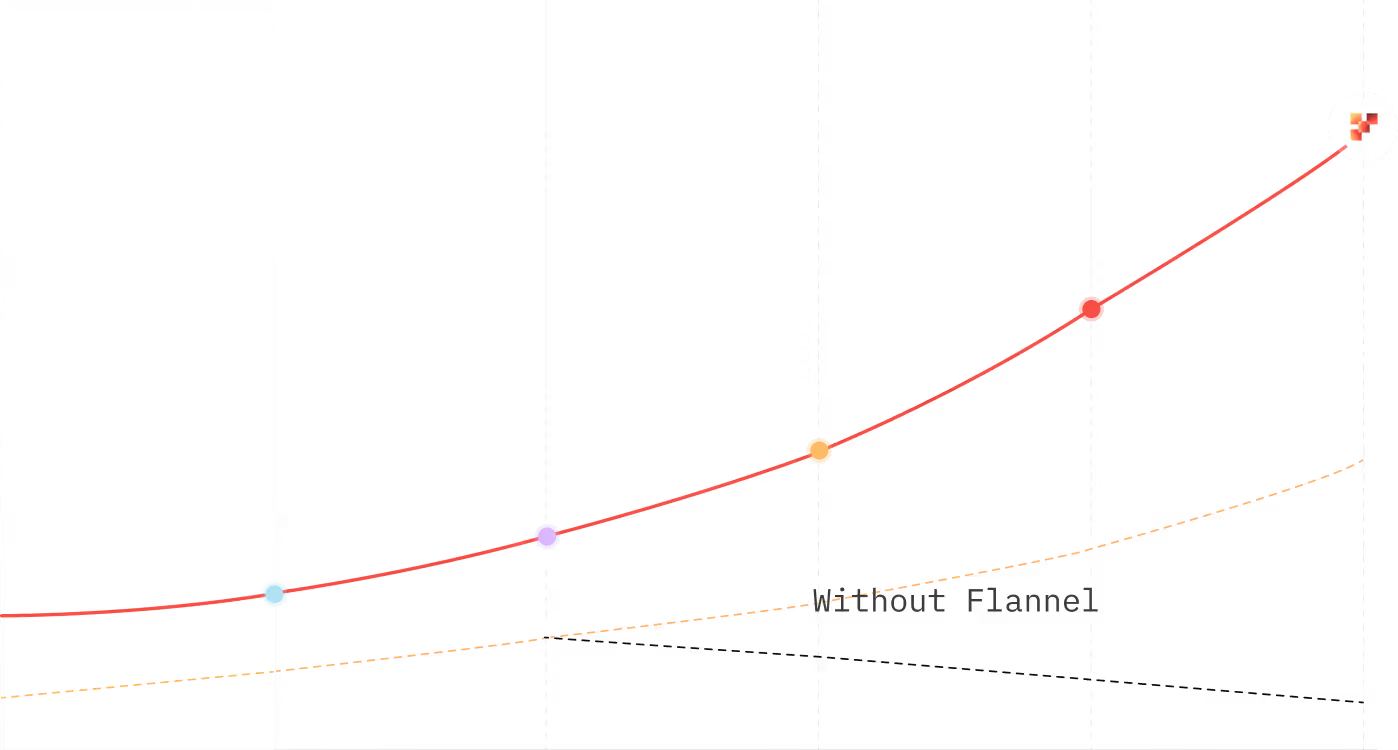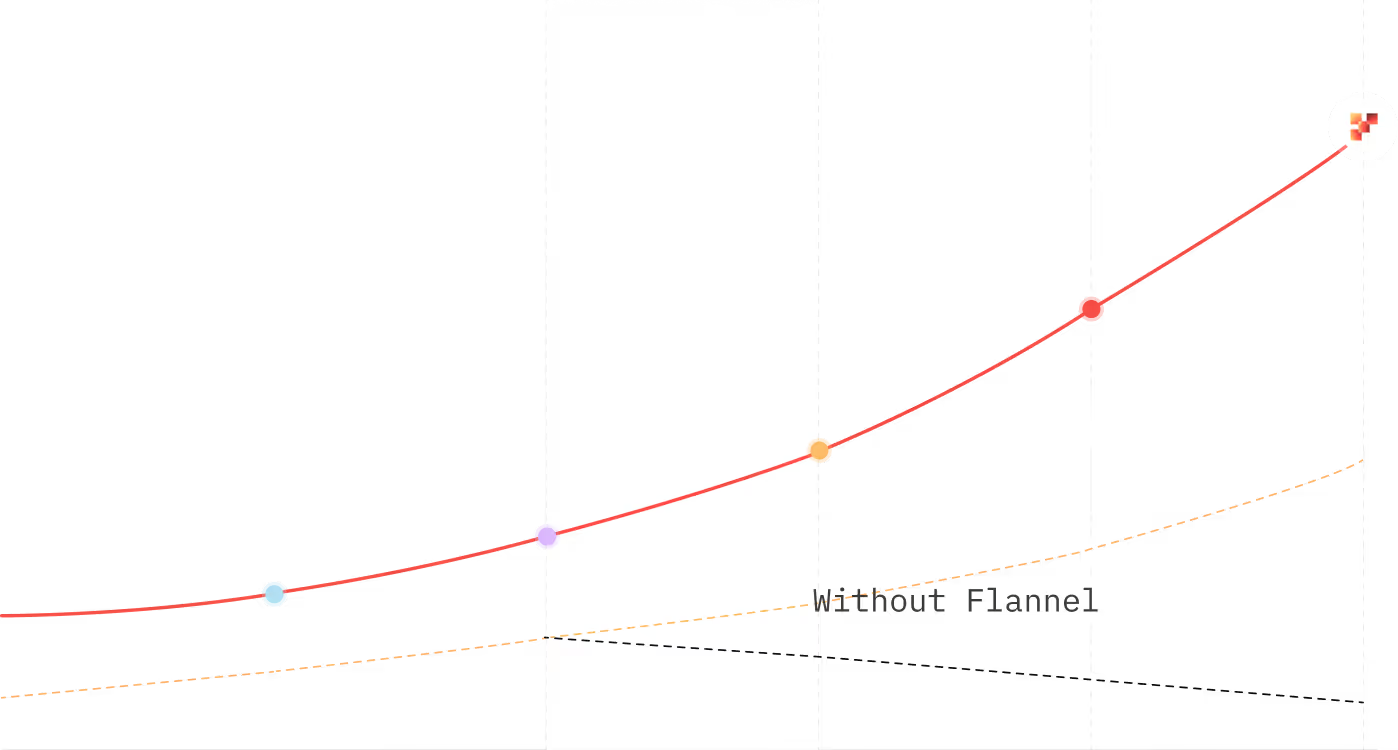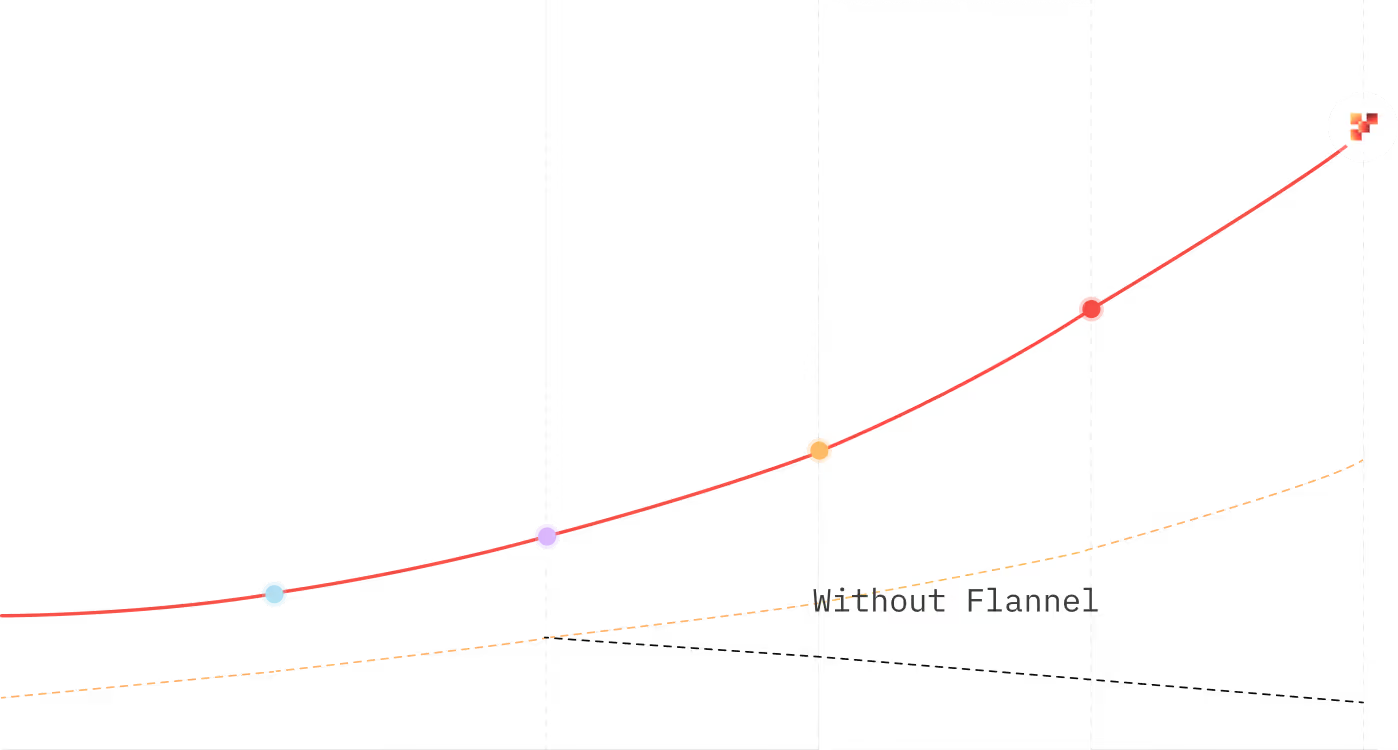





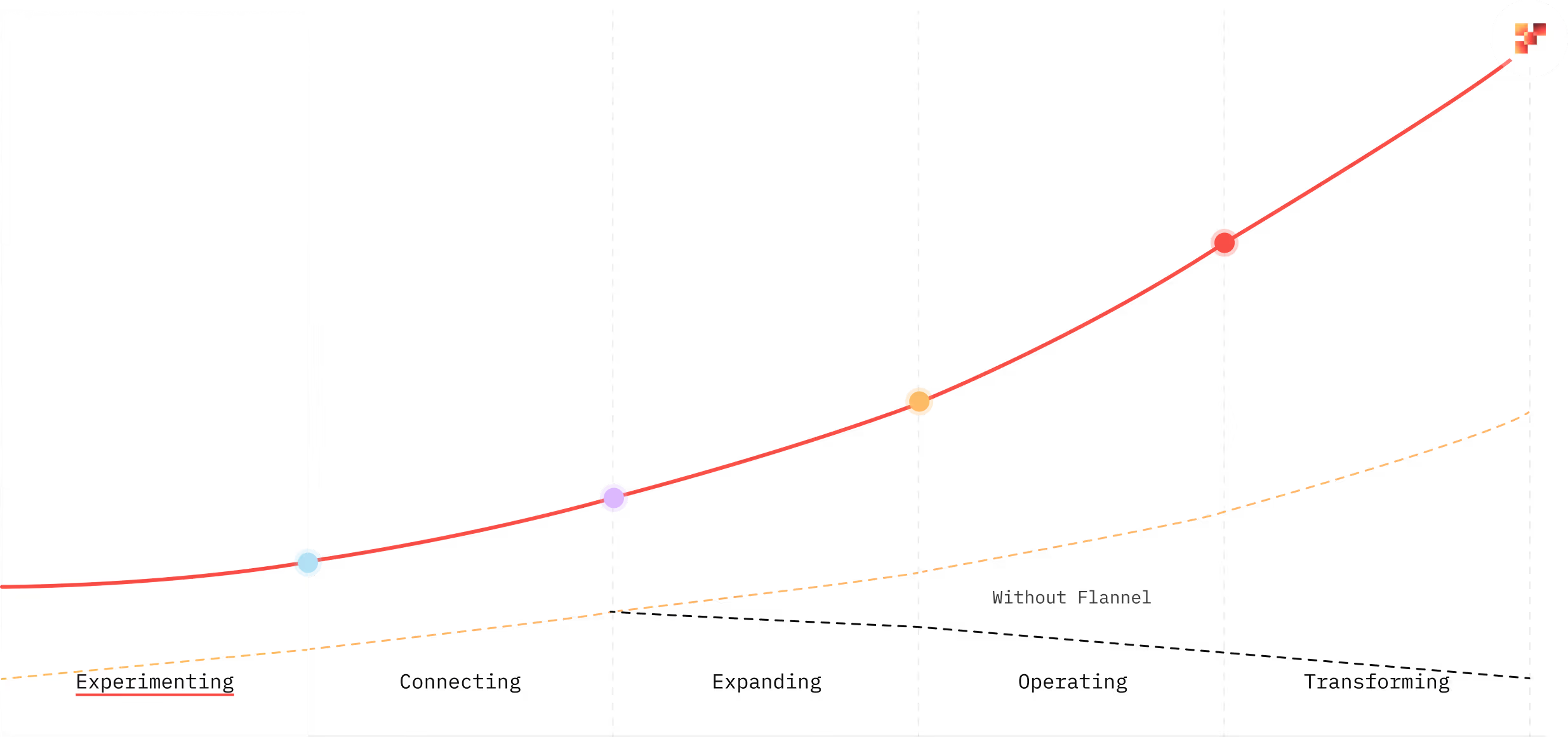
AI is helping individuals. It is not yet helping the business.
Your team is already finding value in AI. Reps are saving time, analysts are moving faster, and employees are discovering new ways to get work done.
But the value is trapped inside individual tools, prompts, accounts, and workflows. Nothing compounds across the company.
What This Means
You do not have an AI adoption problem. You have an operationalization problem.
The Risk
If this continues, every employee builds their own AI workflow, but the company never builds shared leverage.
How Flannel Helps
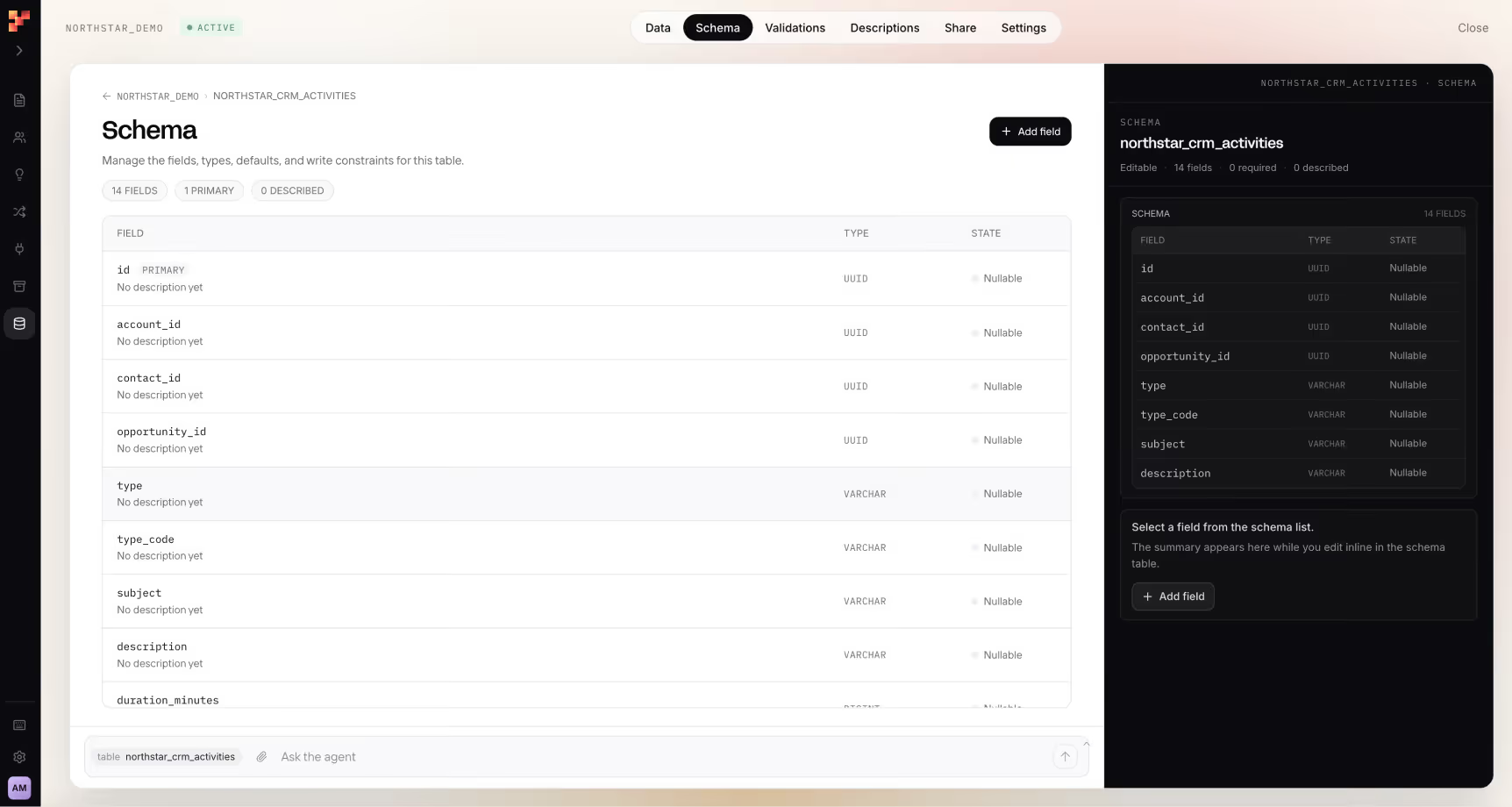
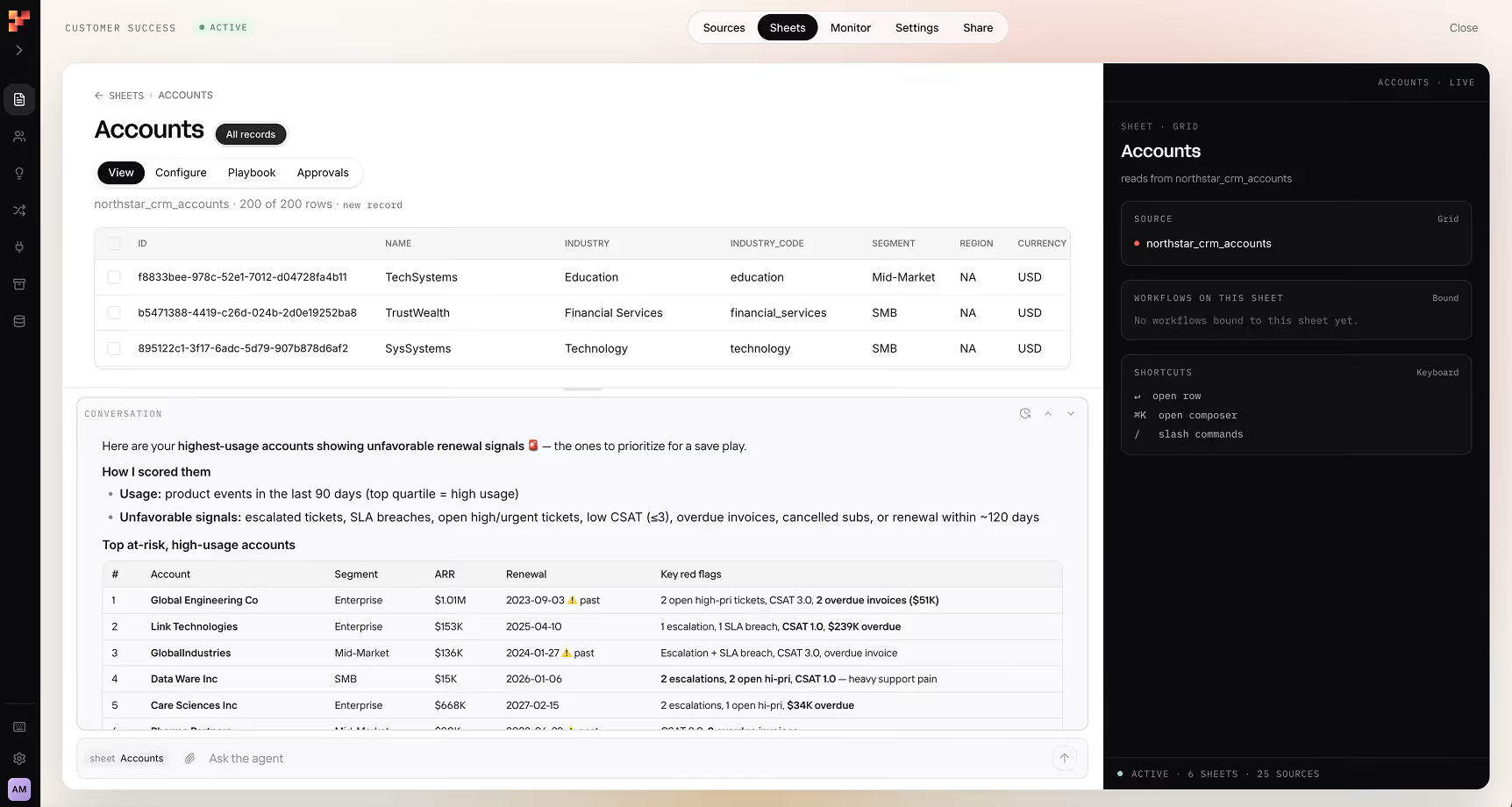
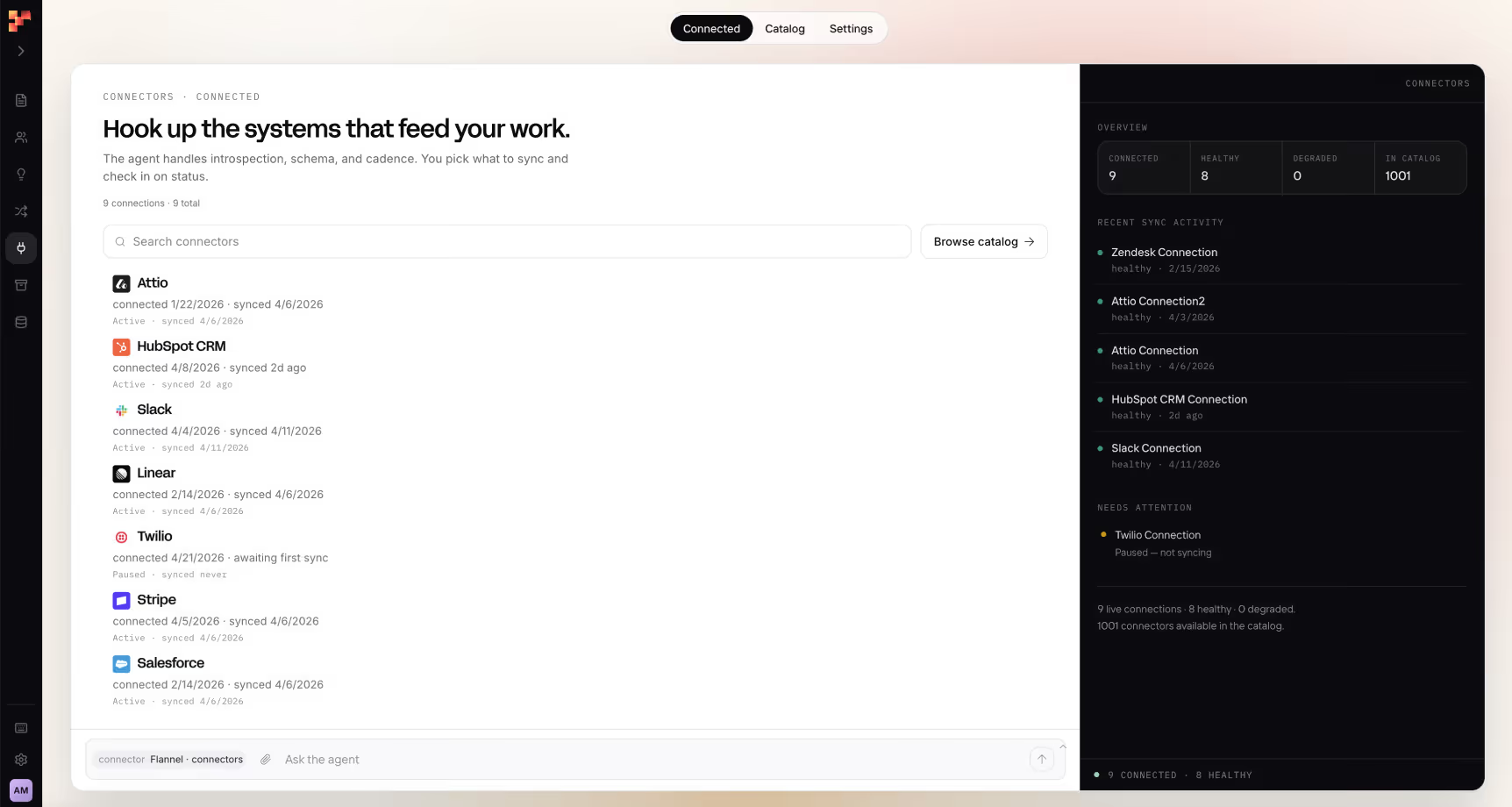
Flannel turns scattered AI usage into a shared operational foundation. Your teams can work from the same data, same context, and same workflows—without copy/paste, shadow systems, or personal prompt libraries.
Drop in your messiest spreadsheet. We'll show you what your AI-ready operating system looks like.
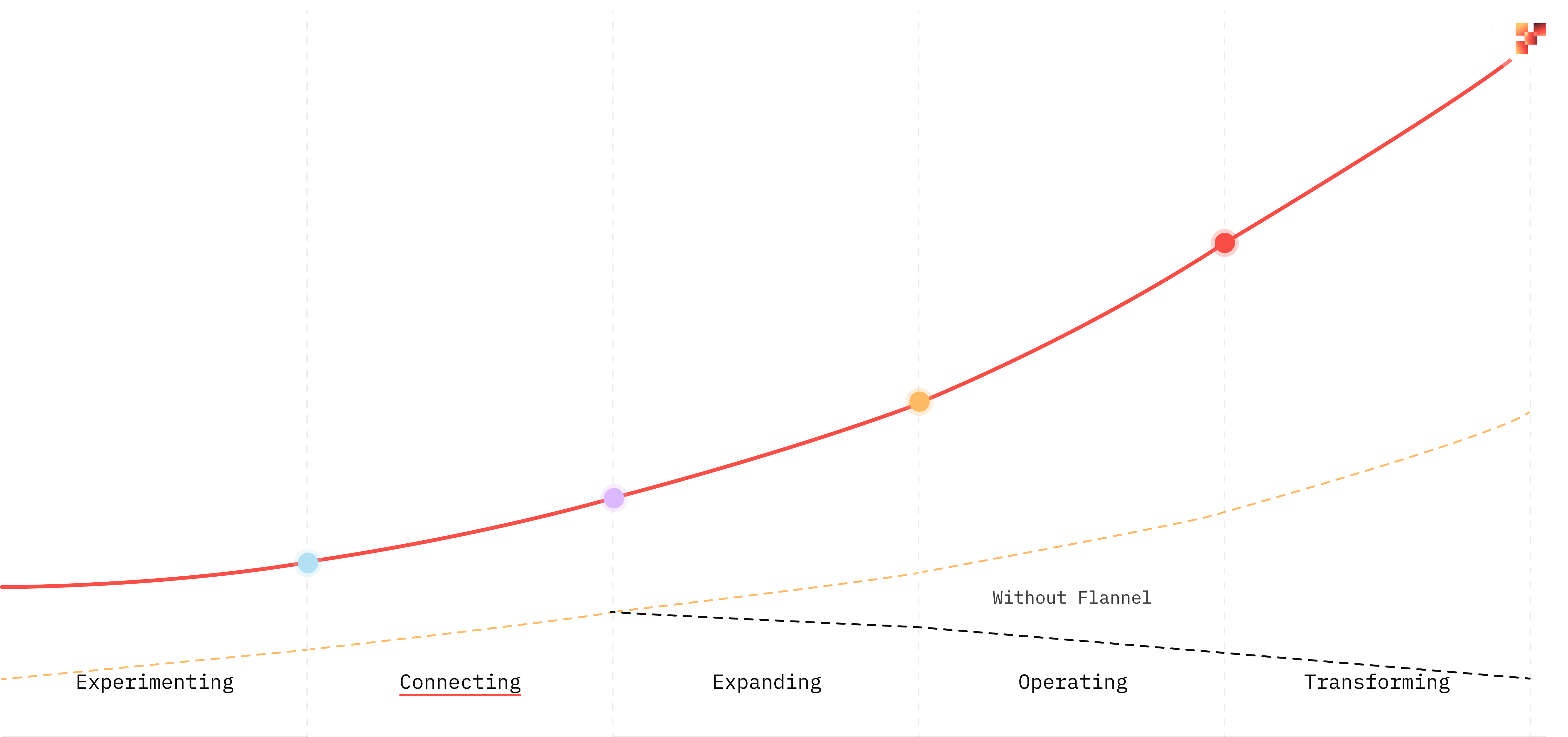
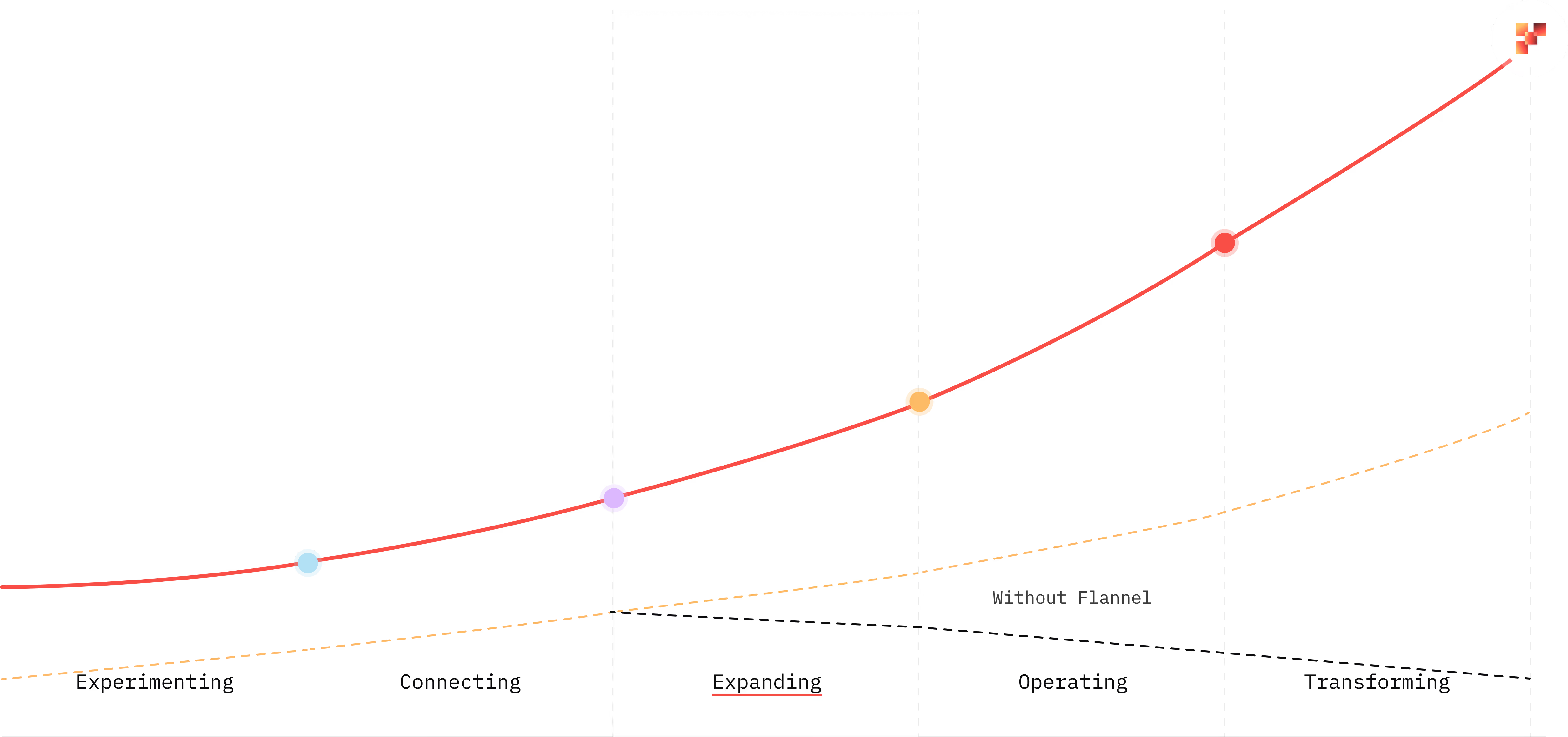
You connected AI to your systems. Now every answer is different.
You have moved beyond basic experimentation. Your team is connecting AI to tools, workflows, databases, and files.
That is progress—but without a shared operational layer, every AI interaction rebuilds context from scratch. Two people can ask the same question and get two different answers.
What This Means
You are not missing integrations. You are missing a consistent source of operating truth.
The Risk
The more AI connections you add, the more inconsistency you create.
How Flannel Helps
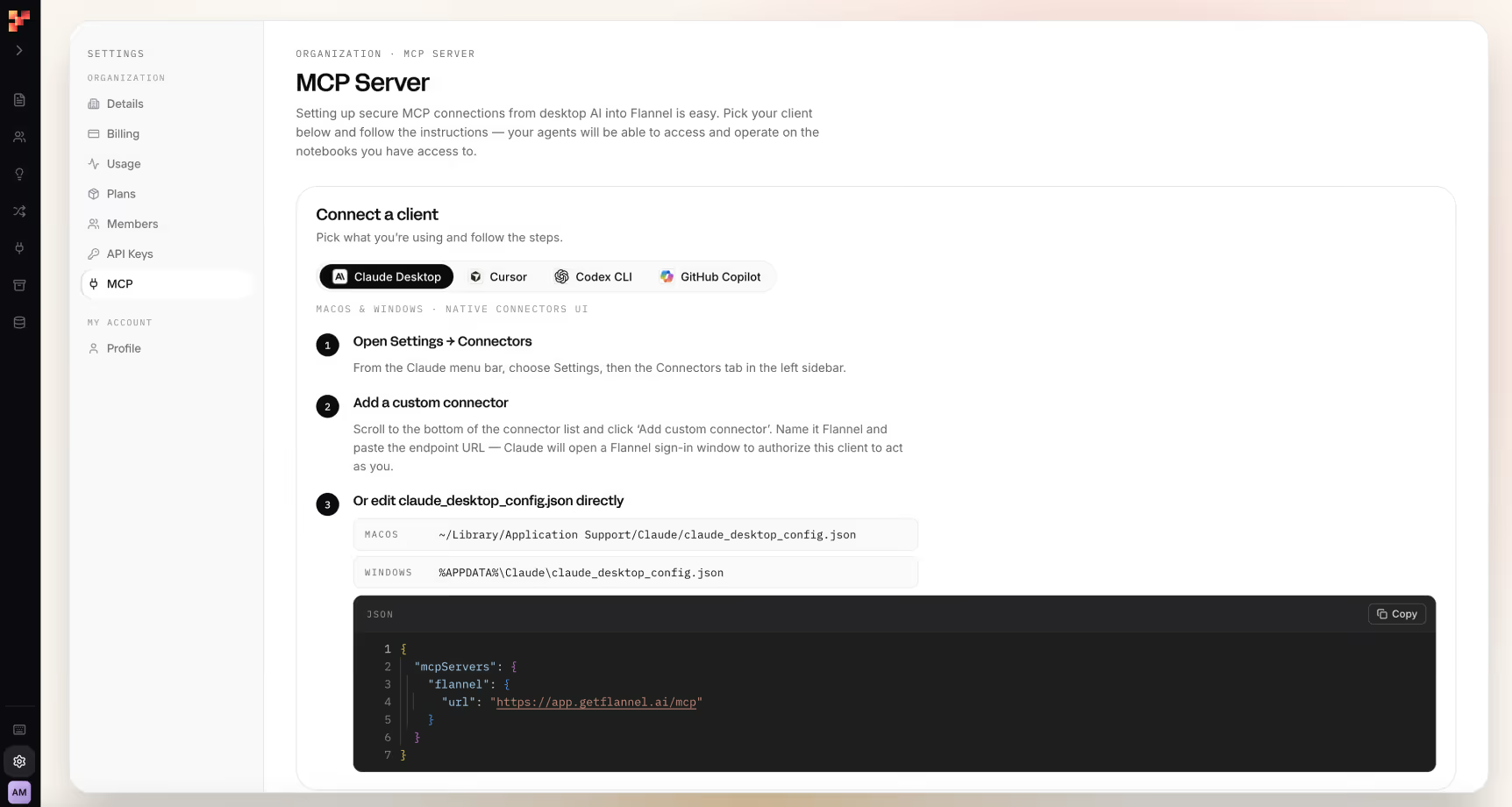
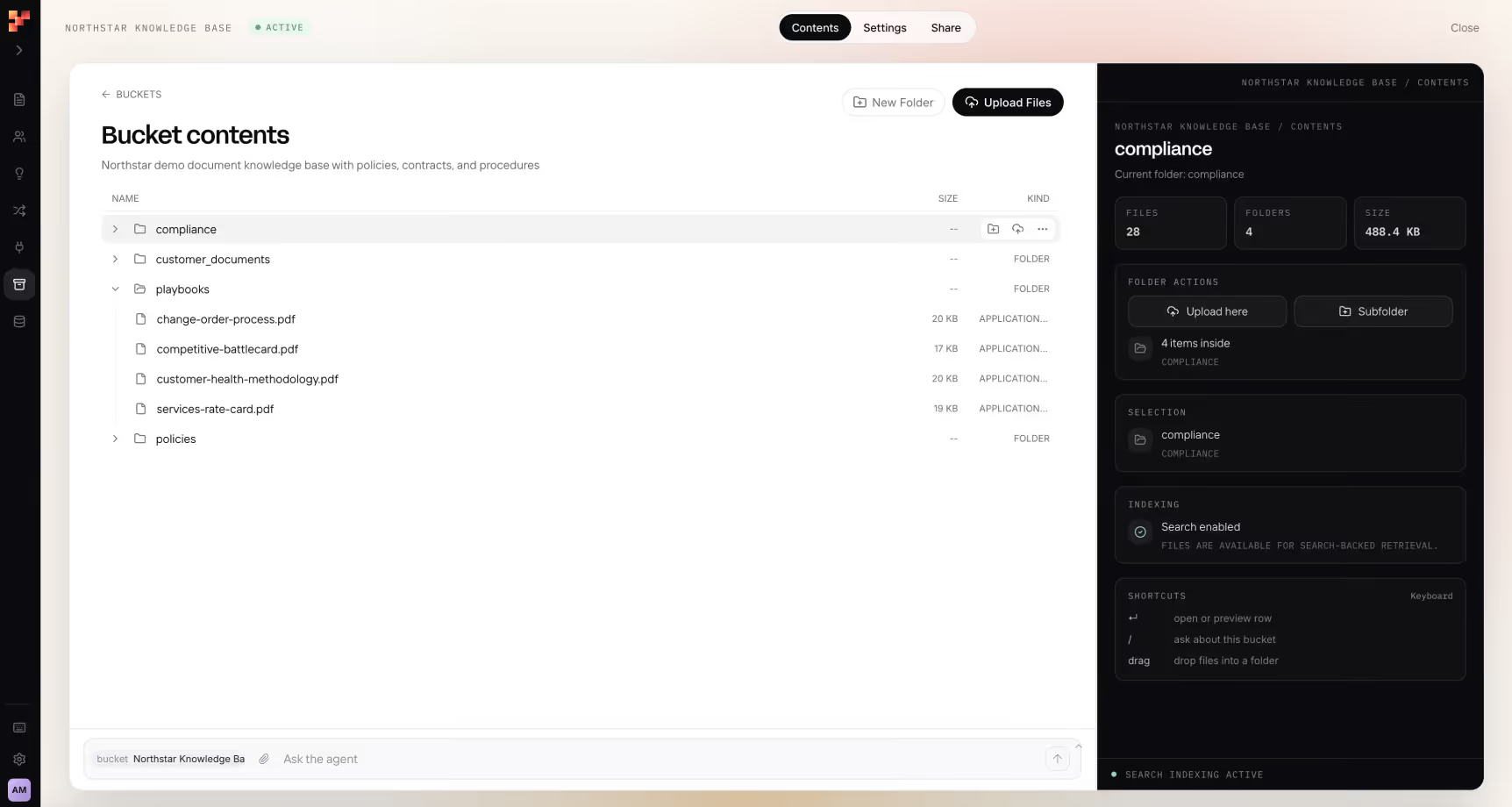
Flannel unifies your data, files, workflows, and business context into a governed system your team and AI can rely on. Instead of every model pulling raw data at runtime, Flannel gives AI structured, annotated, reusable context.
Connect your systems once. Give every team and every AI the same operating truth.
AI is spreading faster than your systems can support it.
AI adoption is accelerating across your company. Every team wants access. Every team wants workflows. Every team wants its own connection to its own tools.
But growth without a shared layer becomes sprawl.
What This Means
Your AI usage is scaling, but your operating model is not.
The Risk
Costs rise. Answers diverge. Security loses visibility. Cross-system workflows break. Power users become single points of failure.
How Flannel Helps
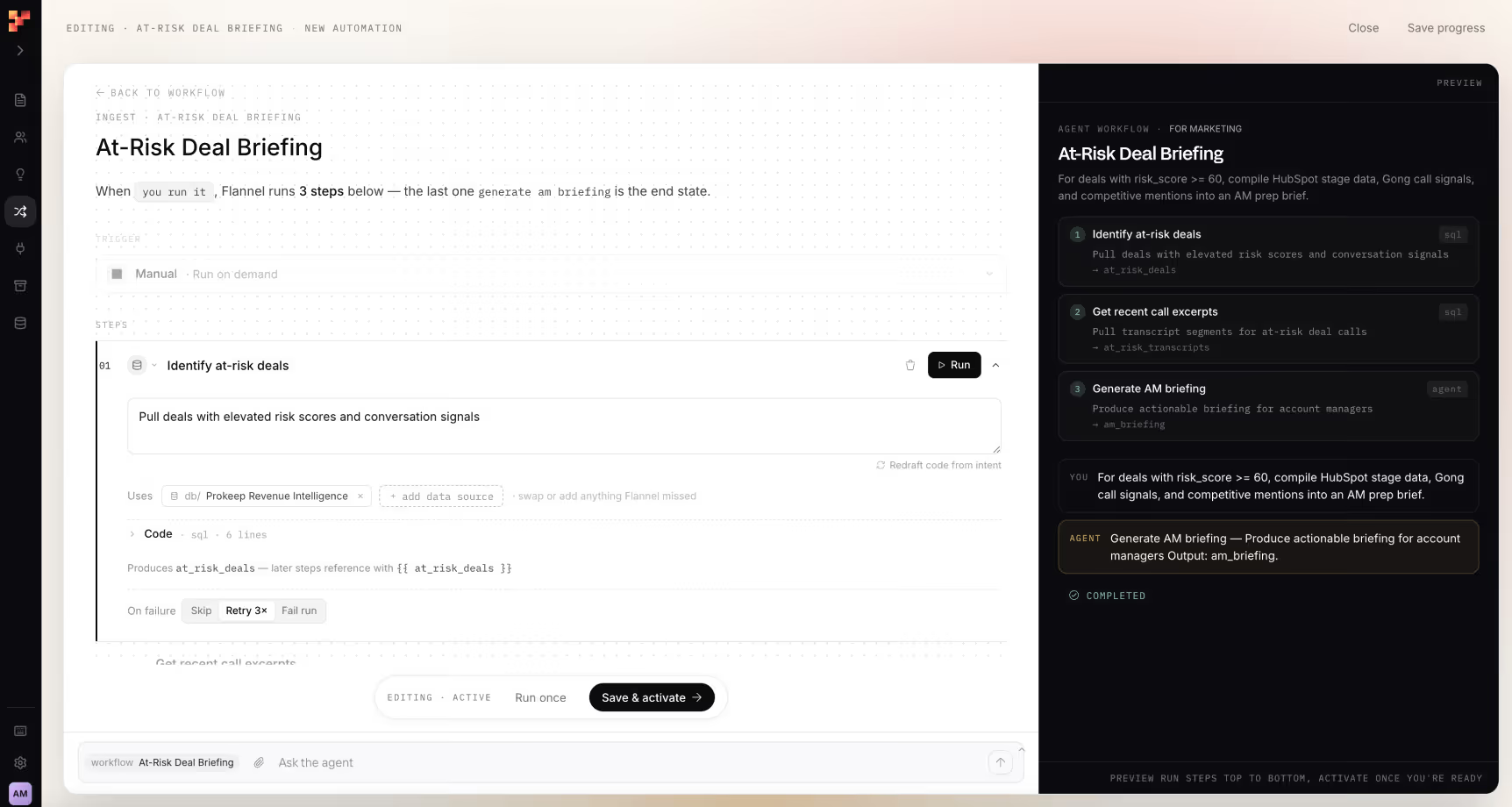
Flannel gives every team a shared, governed operational layer for AI. Teams can build reusable workflows, work across structured and unstructured data, and preserve company knowledge instead of trapping it in individual users.
Turn AI sprawl into a governed system your whole company can build on.
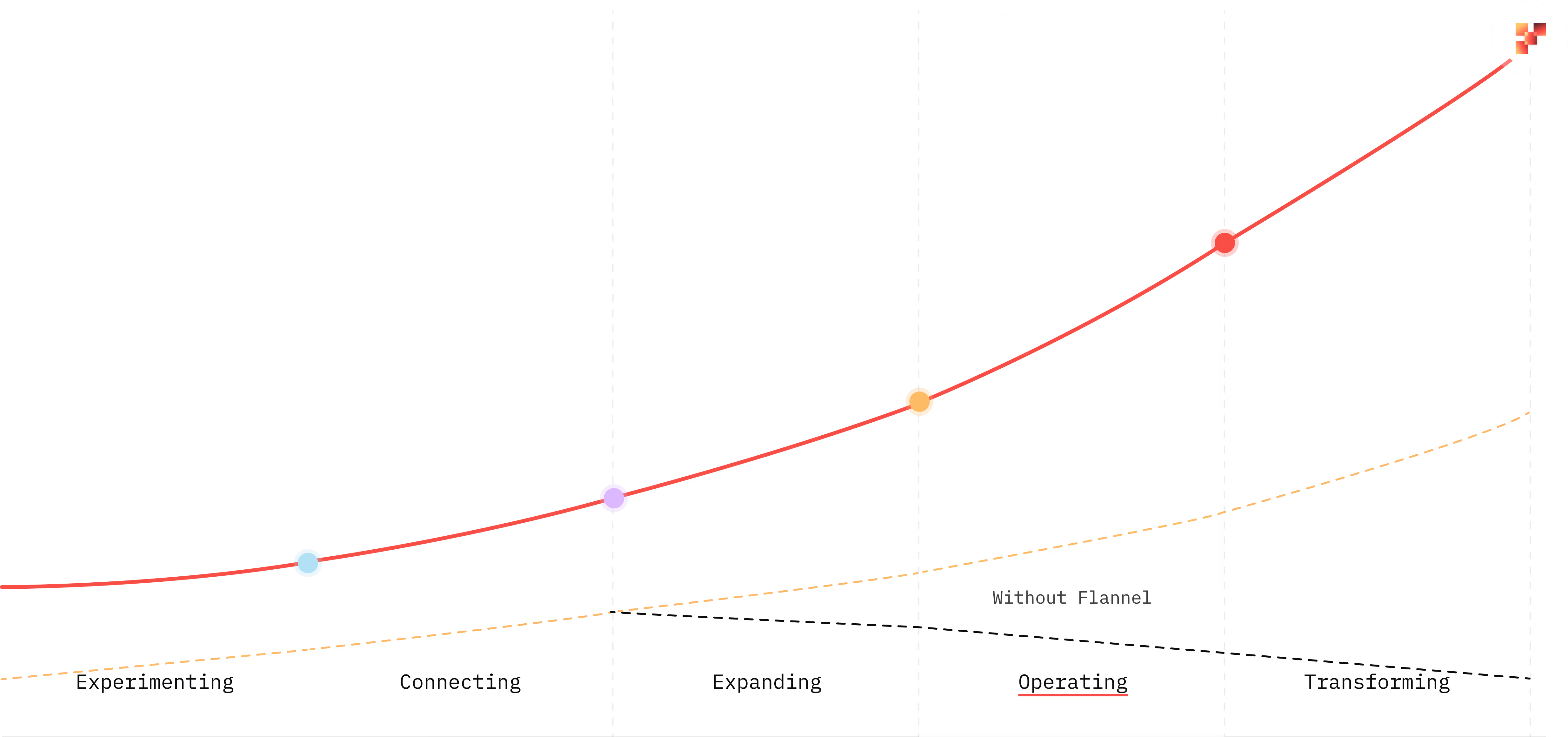
Your AI is doing the job. Now you need control.
AI is no longer just assisting. It is updating systems, routing work, generating outputs, and influencing decisions.
That means the bar changes. You now need attribution, approvals, auditability, access controls, and policy-driven execution.
What This Means
You are moving from AI as a tool to AI as an operator.
The Risk
Without the right foundation, AI can act faster than your governance model can keep up.
How Flannel Helps
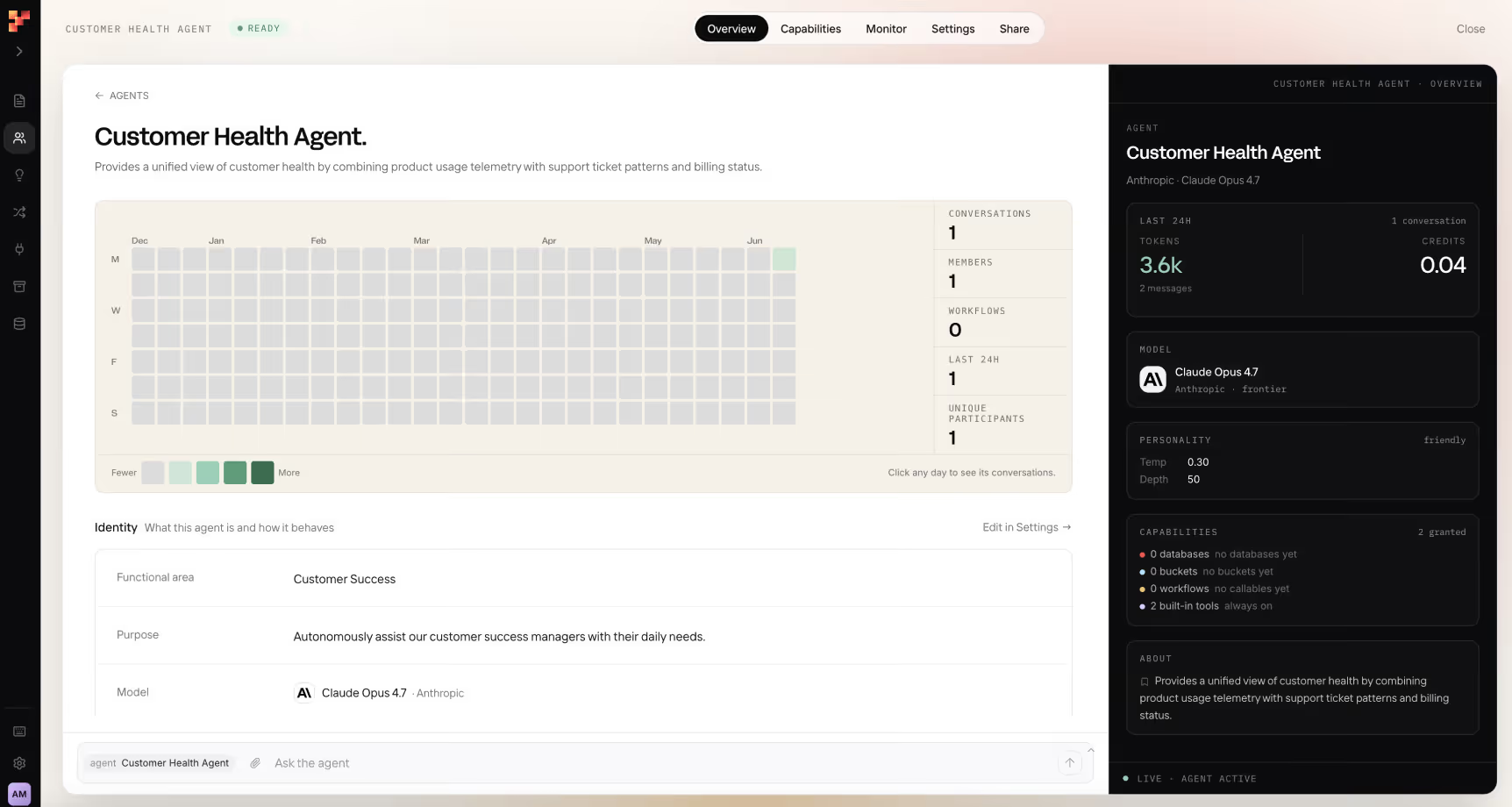
Flannel gives your company the structure required for operational AI: governed access, shared context, audit trails, reusable workflows, and visibility across departments. With Flannel, AI can take action without becoming a black box.
Give agents the context to act—and the controls to act safely.
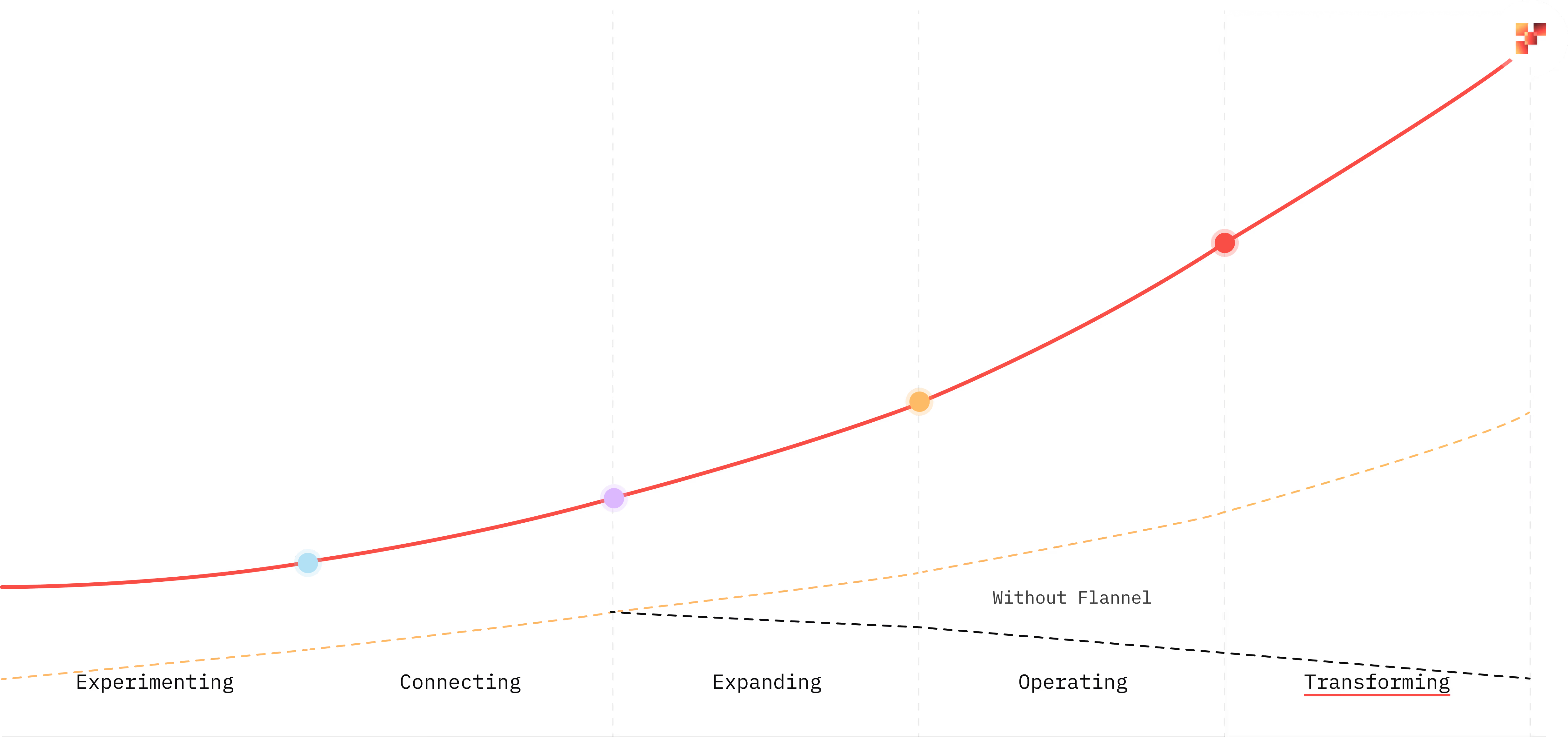
AI is becoming your operating model.
You are approaching the next stage of business operations: agents working across departments, systems, and workflows with shared context and policy-driven autonomy.
This is where AI stops being a productivity layer and becomes the way the business runs.
What This Means
You are no longer just adopting AI. You are redesigning work around it.
The Risk
Legacy SaaS, siloed systems, and fragmented workflows will hold back what your agents can actually do.
How Flannel Helps
Flannel becomes the operational layer for AI-native work. It turns spreadsheets, systems, files, workflows, and institutional knowledge into governed capabilities that agents and employees can use together. This is how companies move from isolated automation to compounding intelligence.
Build the operational layer your agents can run on.